%2Ffit-in%2F250x250%2Fguide_websites%2F18512%2Fimages%2F1724849068059image26.png&w=1920&q=100)
Black Drum Caught in Corpus Christi TX Fishing Charter
Black Drum Fishing in Corpus Christi - What to Expect
%2F%2Fusers%2Feefd61bc-fd27-4890-8d54-01cb0197a763%2Fimages%2Fcorpus-christi-black-drum-catch-2666.jpg&w=1920&q=75)
Fishing Charter by Captain Oscar Estringel in May
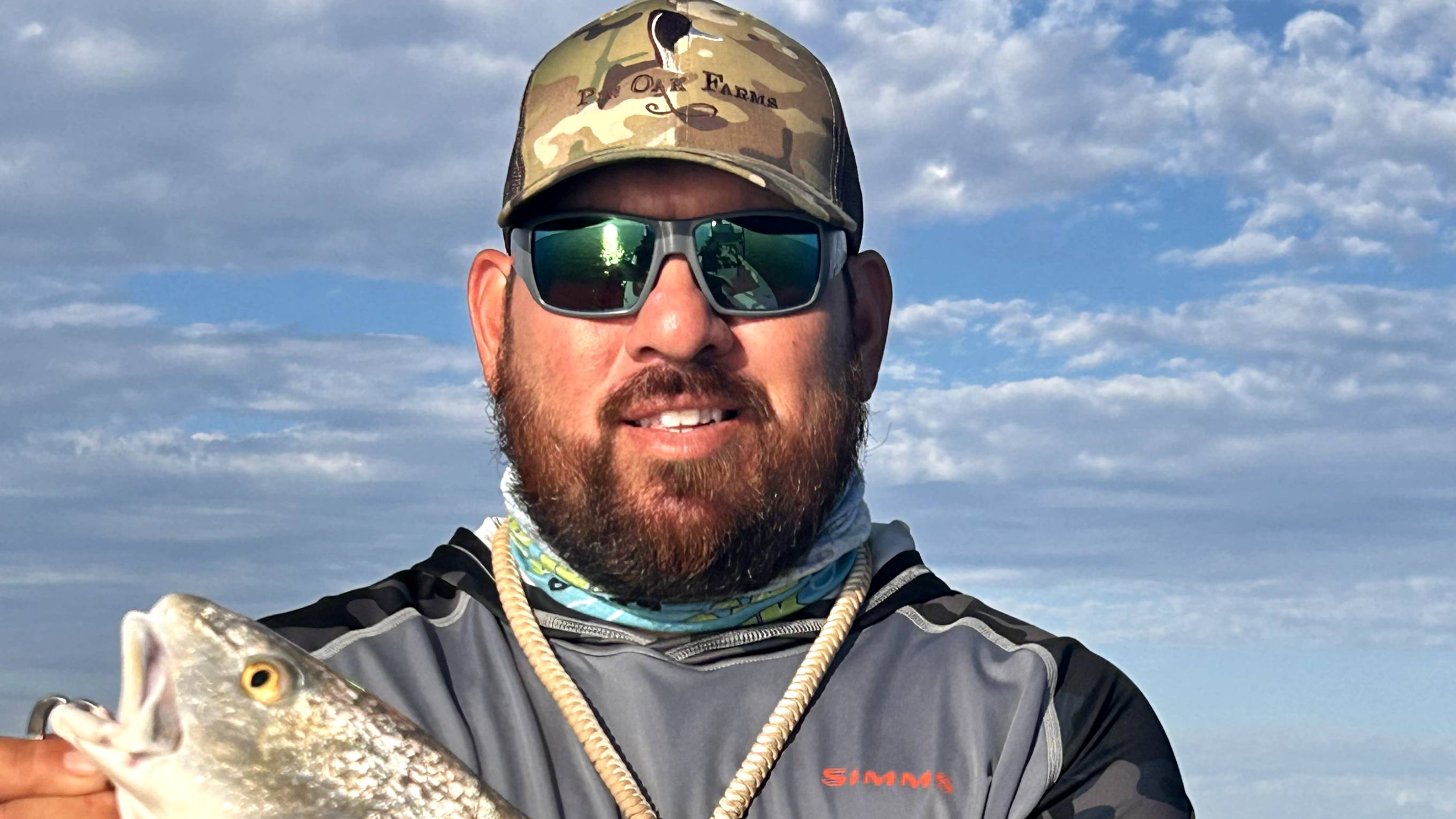
Meet your Captain Oscar Estringel
- Top Corpus Christi Fishing Charters W/ Capt Oscar


Summary
Join Captain Oscar Estringel on a Fishing Charter in Corpus Christi for an authentic Texas coastal experience. On this May adventure, targeting black drum and other inshore species, you'll discover what makes the local waters exceptional. These powerful fish demand skill and strategy - perfect for anglers seeking a challenging, rewarding day on the water.
Fishing Charter with Captain Oscar Estringel - Rates & Booking
Captain Oscar Estringel of Capt Oscar Estringel Guide Service operates fishing charters in Corpus Christi on Thursday, May 22nd and throughout the year. With local expertise spanning the Texas coastal ecosystem, Captain Estringel specializes in targeting black drum and other trophy species that thrive in these legendary waters. His fishing charters are designed for anglers of all skill levels who want to maximize their success on the water.
To book your fishing charter and learn about current rates and availability, contact Capt Oscar Estringel Guide Service directly. Captain Estringel customizes each trip based on conditions, target species, and angler preferences to ensure you get the most productive day possible.
Highlights of Corpus Christi Fishing Charters
Black drum are among the most respected inshore gamefish in Texas. These powerful fighters test your technique and patience, making every catch memorable. Corpus Christi's shallow bays and nearshore waters create ideal habitat for black drum, along with redfish, snook, and tarpon throughout the season. Captain Estringel's knowledge of where these species congregate - and when they're most active - is the difference between a good day and an exceptional one.
The Corpus Christi area offers diverse fishing environments. Shallow grass flats, shell-studded banks, and deeper channels each hold different species and require different strategies. Whether you prefer sight-casting to tailing fish or working structure with live bait, your charter can be tailored to match your preferred technique and comfort level.
Local Species Insights: Black Drum
Black drum are iconic Texas inshore fish, instantly recognizable by their dark coloring, barbels beneath the lower jaw, and distinctive drum-like head shape. These fish can reach impressive sizes - some exceeding 50 pounds - and they're known for their incredible strength and head-shaking runs. Adult black drum primarily feed on hard-shelled crustaceans and mollusks, using their specialized pharyngeal teeth to crush shells. This diet makes them incredibly powerful fish that demand quality tackle and solid technique.
In Corpus Christi, black drum inhabit areas with sandy or muddy bottoms where they can access their preferred prey. They're often found in the same shallow bays and flats where redfish hunt, though black drum tend to stay slightly deeper. Spring and early summer is prime season for targeting these fish. During this period, they're actively feeding and moving through the bays as water temperatures warm.
What makes black drum special is their behavior and fighting style. They're intelligent fish that respond to subtle presentations, yet they're also aggressive feeders when properly located. A hooked black drum doesn't leap or strip line - instead, they use their power to bore downward and sideways, testing your line and rod. Landing a substantial black drum on light tackle is a technical victory that requires finesse, strength, and confidence.
Captain Estringel's experience reading water conditions, understanding seasonal patterns, and predicting where black drum will position themselves is invaluable. Productive techniques include drifting live bait over structure, sight-casting to cruising fish in shallow water, and working natural prey presentations in areas where black drum congregate. The key is matching your presentation to the fish's mood - sometimes they want a fast retrieve, other times a slow, subtle approach works better.
The Corpus Christi region's protected bays and diverse habitat mean that even when black drum aren't cooperating, you'll have opportunities to target other species. This versatility keeps fishing charters productive and engaging regardless of what nature delivers on any given day.
Fishing in Corpus Christi: Black Drum
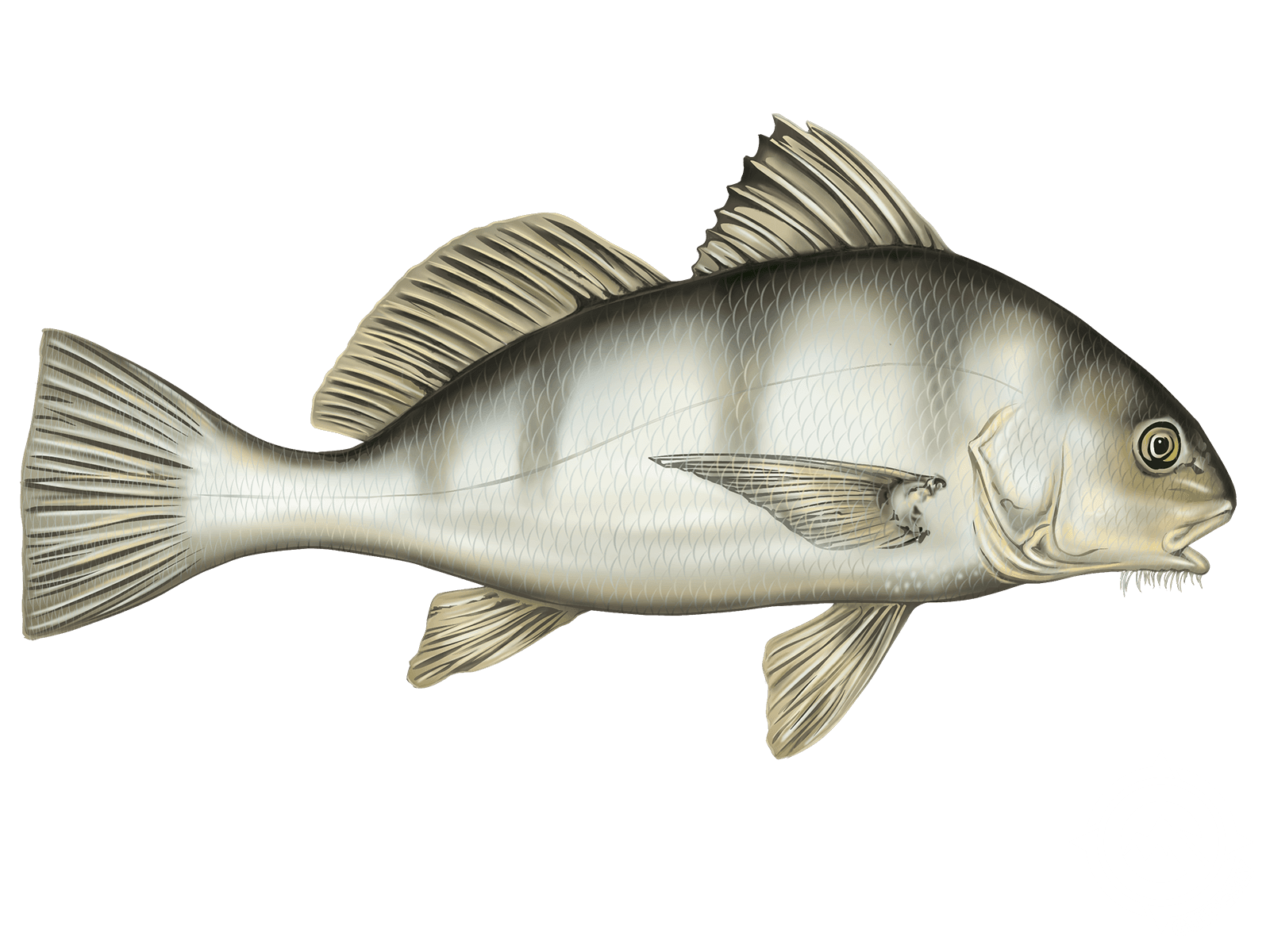
The Black Drum (Pogonias cromis) stands as the giant of the Sciaenidae family, earning its reputation through both impressive size and distinctive acoustic abilities. These remarkable fish get their name from the drumming or croaking sounds they produce, which can reach frequencies of 100 to 500 Hz during spawning season. With their powerful jaws designed for crushing shellfish and oysters, these dark-colored bruisers represent one of the most sought-after inshore game fish along the Atlantic and Gulf coasts, offering anglers both challenging fights and rewarding table fare when properly sized.
Black Drum Overview
What makes these fish truly special is their incredible adaptability and longevity. They're bottom-dwellers that can live up to 50 years, growing rapidly in their first two years and reaching sexual maturity quickly. Their robust build and crushing power make them formidable opponents for anglers, while their preference for brackish waters and estuaries puts them within reach of shore-based fishermen. The drumming sounds they make aren't just for show - they're sophisticated mating calls that help these fish locate each other during spawning aggregations, creating some of the most exciting fishing opportunities of the year.
Black Drum Habitat and Distribution
These adaptable fish have claimed territory from Nova Scotia all the way down to the Gulf of Mexico, thriving in a variety of environments. Adults prefer the saltier waters near ocean inlets and around oyster beds, where their favorite foods are abundant. Juveniles, on the other hand, seek out the less saline areas of estuaries with sandy bottoms, providing natural nursery areas. What's remarkable about these fish is their tolerance for different conditions - you might find them in extremely shallow water one day and at depths of 100 feet the next. They're particularly drawn to muddy flats, pier pilings, and creek mouths where tidal action concentrates their prey.
Black Drum Size and Weight
Size-wise, these fish offer something for everyone, typically ranging from 5 to 30 pounds, though true giants can exceed 90 pounds. The smaller specimens in the 15-pound range are considered prime table fare, while the larger fish are better suited for catch-and-release due to their tougher meat texture and stronger flavor. It's not uncommon to encounter fish in the 20 to 40-pound range during peak season, and these middle-weight bruisers provide excellent sport while still offering decent eating quality for those who know how to prepare them properly.
Black Drum Diet and Behavior
As dedicated bottom-feeders, these fish have developed powerful crushing jaws perfectly suited for their shellfish-heavy diet. Crabs, mussels, clams, and oysters make up the bulk of their meals, though they'll also take marine worms and small fish when the opportunity arises. Their feeding behavior is methodical and deliberate - they use their sensitive barbels to locate prey buried in sand and mud, then employ their impressive jaw strength to crush through shells. During feeding frenzies, particularly around oyster beds, you can sometimes hear the actual crunching sounds they make while feeding, which often gives away their location to observant anglers.
Black Drum Spawning and Seasonal Activity
Spawning season brings out the most exciting behavior in these fish, as they gather in large schools and become much more predictable in their movements. In southern regions like Texas, this typically occurs from February through March, while northern areas see peak activity from April to June. During this time, females can lay eggs every three days, and the males produce their characteristic drumming sounds almost continuously. These spawning aggregations create prime fishing opportunities, as the normally scattered fish concentrate in specific areas and become more aggressive in their feeding. The sound of dozens of drums calling simultaneously creates an underwater symphony that experienced anglers learn to recognize and locate.
Black Drum Techniques for Observation and Capture
Success with these fish comes down to three key factors: location, bait selection, and patience. Live or fresh bait works best - soft-shell crabs, peeler crabs, and fresh clam are top choices, though many anglers swear by blue crab because it doesn't attract as many bait-stealing catfish. Fish your baits right on the bottom using enough weight to hold position in current, and be prepared for a slow, deliberate bite that can easily be mistaken for a snag. For artificial presentations, slow-moving bucktail jigs work well, especially when tipped with natural bait. Fly fishing enthusiasts should opt for 9-weight rods and bottom-bouncing patterns like Clouser Minnows or crab imitations. Around popular fishing areas, look for shallow flats adjacent to deeper water, especially during moving tides when these fish become more active.
Black Drum Culinary and Utilization Notes
When it comes to table fare, size matters significantly with these fish. Specimens under 15 pounds offer mild, flaky white meat that's excellent when prepared fresh, while larger fish develop a coarser texture and stronger flavor that some compare to chicken. The key to good eating is proper handling and quick processing - these fish benefit from bleeding immediately after capture and keeping on ice. Smaller drums work wonderfully in fish tacos, blackened preparations, or simple pan-frying, while larger fish are better suited for stews or heavily seasoned dishes that can mask their stronger flavor. Many experienced anglers practice slot-limit fishing, keeping only mid-sized fish for the table while releasing both the smaller juveniles and the large breeding stock.
Black Drum Frequently Asked Questions
Q: What is the best bait for Black Drum fishing?
A: Live or fresh crab consistently outperforms other baits, particularly soft-shell crabs, peelers, or blue crab halves. Fresh clam and cut mullet also work well, but crab tends to attract fewer bait-stealing species and stays on the hook better in current.
Q: Where can I find Black Drum in coastal areas?
A: Look for oyster beds, shallow muddy flats, pier pilings, and creek mouths in brackish water areas. They prefer areas where fresh and salt water mix, especially spots with good tidal flow that concentrates their food sources.
Q: Are Black Drum good to eat?
A: Fish under 15 pounds are excellent table fare with mild, flaky white meat. Larger specimens become progressively tougher and stronger-flavored, making the smaller to medium-sized fish the best choice for eating.
Q: When is the best time to catch Black Drum?
A: Spring spawning season offers the most consistent action when fish school up in predictable areas. Early morning and late afternoon during moving tides typically produce the best results, though they can be caught year-round in most areas.
Q: What tackle should I use for Black Drum fishing?
A: Medium to heavy spinning or conventional tackle works best, with 20-30 pound test line and strong circle hooks. Use enough sinker weight to keep your bait on the bottom, and be prepared for long, powerful runs when you hook a large fish.
Q: How can I tell if I'm in good Black Drum water?
A: Look for areas with oyster beds, muddy bottoms, and good tidal flow in brackish water. During spawning season, you might actually hear the drumming sounds they make, which is a dead giveaway that fish are present and active.